

Why February Event Planning Requires More Than RSVPs
In winter, an RSVP often reflects good intentions rather than commitment. Guests may plan to attend but reconsider when weather, energy levels, or last-minute conflicts arise.
For February event planning, RSVPs should be treated as interest indicators, not final headcounts. Events that plan for flexibility in layout, timing, and flow, are far more resilient when attendance fluctuates.

How to Increase Event Attendance During Winter Events
1. Make the Event Feel Comfortable First
For winter events, comfort is a deciding factor. Guests are more likely to attend when they know they’ll be warm, covered, and not standing outside wondering where to go.
Effective winter event setup ideas include:
Covered or tented gathering areas
Defined entrances and clear flow
Cozy seating layouts instead of open, exposed spaces
When comfort is prioritized, attendance improves naturally.

2. Focus on Arrival Experience, Not Just the Main Event
One overlooked attendance issue in February event planning is arrival anxiety. Guests worry about being late, awkwardly entering, or missing key moments.
To reduce this:
Design staggered arrival windows
Ensure something is happening as soon as guests arrive
Use layouts that feel welcoming at any point in the event
Thoughtful event layout planning helps guests feel at ease - and stay longer.

3. Reduce Friction Wherever Possible
Winter events compete with convenience. If attending feels like “too much effort,” guests often opt out.
To increase turnout:
Simplify parking and entry
Avoid overly formal expectations
Design spaces that allow guests to come and go comfortably
February event planning works best when the event feels easy, not demanding.
Event Setup Ideas That Support Real Attendance
One common mistake in February event planning is designing for ideal turnout instead of realistic attendance. Winter events often have smaller, more intimate crowds and that’s not a negative when planned correctly.
Smart event setup ideas include:
Modular layouts that can scale up or down
Defined zones instead of one large open space
Flexible seating and gathering areas
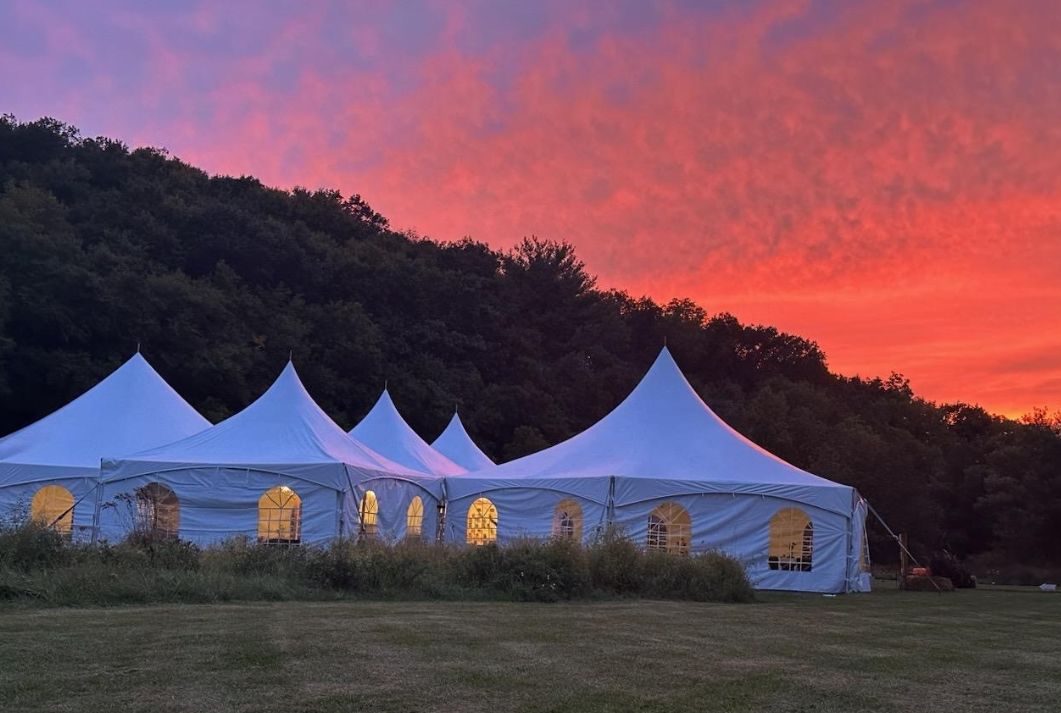
Tented setups and rental-based layouts help winter events feel full and intentional, even with fluctuating attendance.
By designing winter events that prioritize ease, warmth, and adaptable layouts, planners can close the gap between RSVPs and real attendance.
With the right setup and thoughtful planning, February events don’t just survive winter - they stand out.
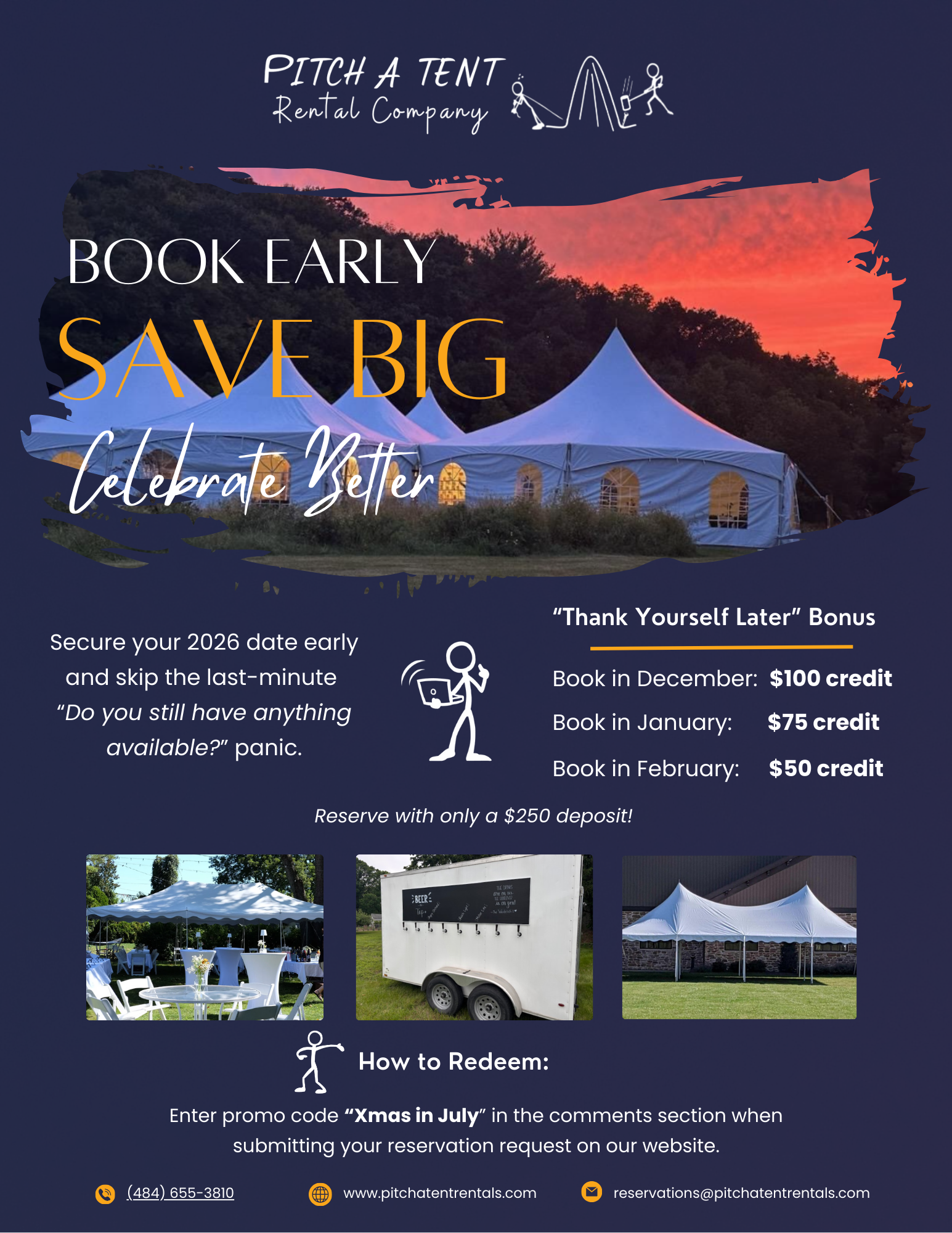
And don’t forget, if you are planning a summer event, February is your last chance to get a credit when you book early!